Cold leads don’t magically become closed deals. Every local business owner who says yes to a proposal has moved through a chain of small moments: a first message that felt relevant, a follow-up at just the right time, a pitch that made the decision easy.
Sales teams and startups that win consistently treat that chain like a system, not a guessing game.

The sales cycle for local growth work is different from national or enterprise sales. You’re often chatting with owners who wear ten hats and have zero time for a long pitch.
The businesses that close the most local deals are the ones that shorten the gap between first contact and a clear, visual growth plan the owner can say yes to on the spot. This guide walks you through that full path, from spotting the right accounts to presenting a proposal that gets signed.
Key Takeaways
- Local deals close faster when you target the right accounts and speak directly to their problems.
- Fast, personalized follow-up and visual proof matter more than blasting out tons of outreach.
- A clean CRM process and clear ownership turn one-time wins into a repeatable pipeline.
Define the Local Growth Opportunity Before Outreach
Before you send a single cold outreach message, you need a clear picture of who you’re targeting and why they’d care. Starting with a vague list of “local businesses” wastes time on accounts that were never going to buy.
It also clogs the sales funnel with the wrong prospects.
Identify High-Value Local Segments and Accounts
Narrow your list to accounts that share real traits: similar revenue size, similar growth stage, or the same operational pain point. A local HVAC company struggling to book jobs online is very different from a boutique retailer trying to boost foot traffic.
Use simple filters to sort your list:
- Business type and size (single-location vs. multi-location)
- Signs of active growth, like recent hiring posts or new locations
- Digital gaps, such as outdated websites or no online booking
- Geographic clusters where you already have proof or reputation
Accounts that check two or three of these boxes convert at a much higher rate than a random, unfiltered list.
Shape an Offer Around Local Buyer Problems
Local owners don’t want a generic pitch about “growth strategies.” They want to know you get their exact problem.
If a restaurant owner is losing weekend traffic to a competitor two blocks away, your outreach should mention that specific dynamic, not just general marketing fluff.
Build your offer around three things: the problem you’ve noticed, the outcome they care about, and a simple next step. Keep it short and sweet.
The goal of early outreach isn’t to close the deal—it’s to earn a reply that moves the prospect into your sales funnel.
Create Localized Assets That Earn Engagement
Once a lead responds, the content you share next either builds trust or kills momentum. Localized case studies, clear visuals, and fast responses through conversational AI all work together to keep interest alive instead of letting it cool off.
Turn Market Research Into a Clear Growth Narrative
Raw market data doesn’t sell anything on its own. It needs to become a story: here’s what’s happening in your market, here’s the gap, and here’s what closing that gap could mean for your revenue.
Pull in local numbers, like average customer spend in the area or foot traffic trends, and connect them directly to the prospect’s business. A short narrative works better than a data dump.
Owners respond to plans that feel written for them, not copied from a template.
Use Case Studies and Visual Proof to Build Trust
Case studies are one of the fastest ways to build credibility with a skeptical local business owner. Show a similar business, describe the problem, and walk through the result in plain numbers.
A short before-and-after story often does more convincing than a long list of features. Visual proof matters just as much as the words.
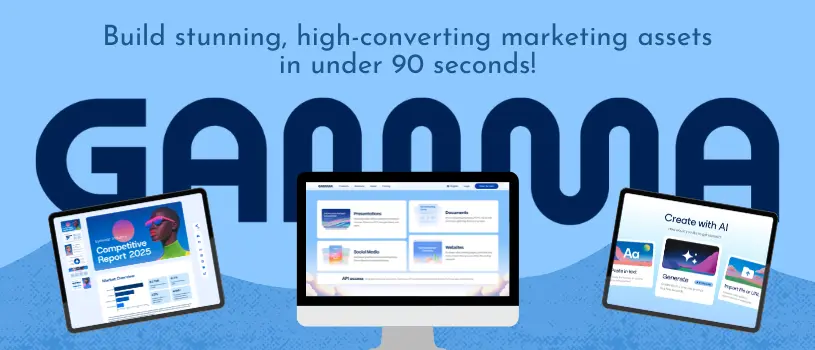
Tools that let you design polished proposals and decks quickly help you turn a case study into something that looks professional in minutes, not hours. Response times are crucial here—if a lead asks a question and waits two days for an answer, the trust you built starts to fade.
Capture, Qualify, and Route the Right Leads
Not every lead deserves the same amount of attention. Lead scoring and predictive lead scoring help you sort prospects by fit and readiness.
This way, your sales teams spend time on the accounts most likely to close instead of chasing everyone equally.
Protect Data Quality at Every Entry Point
Bad data quietly kills pipelines. A lead form with a typo in the email, a duplicate entry, or a missing phone number can stall a deal before it starts.
Every point where a lead enters your system—whether it’s a form, a chat widget, or a phone call—needs a quick check for accuracy.
Simple habits protect data quality:
- Require key fields (name, phone, business type) before a form submits
- Run new leads through a duplicate check before they enter your CRM
- Verify phone numbers and emails automatically where possible
- Review a sample of entries weekly to catch pattern errors early
Combine Fit, Intent, and Behavioral Signals
Lead scoring works best when it blends three things: fit (does this business match your ideal customer), intent (are they actively looking for a solution), and behavioral signals (have they opened your emails, visited your pricing page, or replied to outreach).
A lead that scores high on all three is an SQL—a sales-qualified lead ready for a real conversation.
Predictive lead scoring takes this further by learning from past deals. If your last twenty closed deals all had a certain size or industry pattern, the model starts flagging similar new leads automatically.
This keeps sales teams from wasting calls on low-probability prospects.
Move Conversations From Interest to Proposal
Interest fades fast if it isn’t handled well. This stage is where follow-up habits and a strong presentation decide whether a lead turns into a signed deal—or goes quiet.
Make Follow-Up Timely, Relevant, and Useful
Speed matters more than most sales teams realize. A lead that hears back within minutes is far more likely to stay engaged than one that waits hours or days.
Every follow-up message should add something new—a fresh insight, a relevant case study, or an answer to a question they raised earlier. Avoid generic “just checking in” messages.
They rarely move a deal forward and often make the sales cycle feel longer than it needs to be.
Present a Decision-Ready Local Growth Plan
By the time you get to a proposal meeting, the lead should see a plan built specifically for their business, not a recycled template. Lay out the problem, the strategy, the timeline, and the expected result in a format that’s easy to skim.
Local owners are busy, and a cluttered proposal loses them fast. A clean, visual presentation makes the decision easier.
When the plan is easy to understand at a glance, closing deals becomes a matter of confirming details rather than convincing someone from scratch.
Connect CRM Execution to Pipeline Improvement
A single closed deal feels good, but a repeatable pipeline is what actually grows a business. Connecting your CRM to your daily workflow turns one-off wins into a predictable sales funnel that keeps producing lead generation results month after month.
Set Up CRM Integration and Clear Ownership
CRM integration should remove manual work, not add to it. When a lead fills out a form, books a call, or replies to an email, that action should update your CRM automatically.
No one should have to remember to log it by hand. Ownership matters just as much as the tech.
Every lead needs one clear owner responsible for the next step, whether that’s a follow-up call, a proposal, or a check-in. Deals slip through the cracks when ownership is unclear or shared across too many people.
Measure Conversion Friction and Refine the Process
Every sales funnel has a point where leads drop off more than expected. Maybe it’s between the first call and the proposal, or between the proposal and the signature.
Tracking conversion rates at each stage shows exactly where that friction lives. Once you spot the weak point, test small changes—a faster follow-up, a clearer proposal, or a different qualifying question.
Small, steady improvements at those friction points can really add up. Before you know it, you’ll be closing more deals and celebrating those wins!