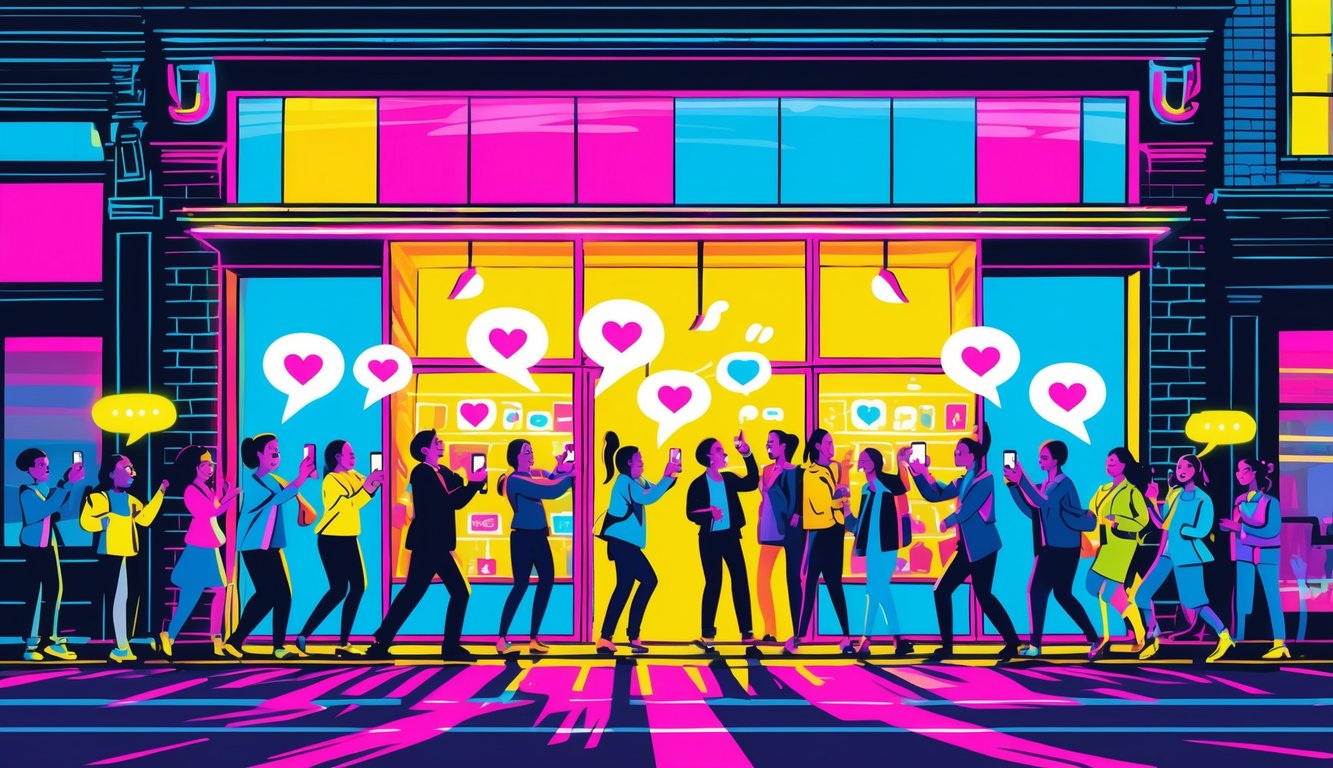
Social media has become one of the most powerful tools for bringing customers through the doors of physical retail locations. While online sales continue to grow, strategic social media marketing can increase brick-and-mortar foot traffic by connecting with local audiences, showcasing in-store experiences, and creating compelling reasons for customers to visit in person. The challenge lies in understanding which tactics actually convert online engagement into real-world visits.
Most retailers know they need a social media presence, but few optimize their approach specifically for driving foot traffic. Success requires more than posting product photos and hoping customers show up. It demands a focused strategy that combines local discovery features, event promotion, community partnerships, and targeted campaigns designed to bridge the digital-physical divide.
This guide covers practical methods for transforming social media followers into store visitors. The strategies range from technical optimization for local search to creative content approaches that make visiting a store more appealing than shopping online. Each technique is designed to create measurable increases in foot traffic while building stronger connections with the local community.
Optimizing Your Social Media Presence for Local Discovery
A strong local presence on social media requires complete profile information, strategic use of location-based keywords, and prominently displayed contact details. These elements work together to ensure nearby customers can find and visit a brick-and-mortar location.
Setting Up and Enhancing Your Profiles
Complete profiles signal credibility to both platforms and potential customers. Business owners should fill out every available field, including business category, hours of operation, phone numbers, and physical addresses.
Profile photos and cover images should feature the actual storefront or interior to help customers recognize the location. The bio section needs to include the neighborhood or district name, not just the city, since this improves visibility in hyperlocal searches.
Essential profile elements include:
- Exact street address with suite or unit number
- Current business hours, including holiday schedules
- Primary phone number with local area code
- Website URL linking to a store-specific landing page
- Category tags that match what customers search for
Many platforms allow businesses to add action buttons like “Get Directions” or “Call Now” directly to their profiles. These features reduce friction between discovery and visit.
Utilizing Local SEO Strategies on Social Platforms
Location tags and geotags attach geographic data to every post, making content discoverable to users searching in specific areas. Posts should include the city name, neighborhood, or nearby landmarks in captions and hashtags.
Creating location-specific content, such as posts about local events or partnerships with nearby businesses, signals relevance to the algorithm. A Google Business Profile functions as both a social platform and a local SEO tool, appearing in Maps results and local searches.
Businesses should post regularly to their Google Business Profile, as active profiles rank higher in local search results. Using neighborhood hashtags like #DowntownSeattle or #BrooklynSmallBusiness helps content reach people already interested in that area.
Platform-specific location features, such as Instagram’s location stories or Facebook’s neighborhood groups, provide additional discovery opportunities. Responding to reviews and questions on these platforms also improves local SEO rankings.
Making Contact and Store Locator Information Accessible
Contact details must appear in multiple places across all social platforms. The profile header, bio section, and pinned posts should all include the address and phone number.
For businesses with multiple locations, a store locator link should be the primary call-to-action. This link can direct users to a dedicated page where they enter their zip code or allow location access to find the nearest store.
Social media stories offer temporary but prominent space for contact information. Weekly story highlights labeled “Visit Us” or “Location” keep this information accessible even after 24 hours.
Contact information display best practices:
| Element | Placement | Format |
|---|---|---|
| Address | Profile bio, pinned post | Full street address with postal code |
| Phone | Profile header, about section | Clickable phone number |
| Hours | Profile details, story highlights | Day-by-day breakdown |
| Directions | Action button, link in bio | Direct Google Maps link |
Platform messaging features should have automated responses enabled that provide the address and hours instantly. This ensures customers receive information even outside business hours.
Crafting Content That Drives Foot Traffic
Social media content that successfully increases foot traffic combines exclusive offers with local relevance and authentic storytelling. Business owners need to focus on creating posts that give customers compelling reasons to visit their physical location rather than shop online.
Sharing Exclusive In-Store Promotions
Time-sensitive offers create urgency that motivates customers to visit a physical store immediately. Flash sales announced 24-48 hours in advance work particularly well because they limit the window for action and make customers feel they’re getting insider access.
Store owners should clearly communicate that promotions are only available in-store and cannot be redeemed online. This exclusivity makes the physical location essential rather than optional. Posts should include specific details like the exact discount percentage, which products are included, and the precise timeframe.
Examples of effective in-store promotions include:
- First 20 customers receive an additional 25% off
- Weekend-only doorbusters from Friday 5 PM to Sunday close
- Same-day flash sales announced at 9 AM for pickup after 2 PM
- Secret shopper codes shared only with social media followers
Including a countdown timer in Instagram Stories or Facebook posts reinforces the limited-time nature of these offers. Store owners should post reminders at strategic intervals leading up to the promotion’s end.
Utilizing Localized Content and Hashtags
Localized content connects businesses with nearby customers actively searching for places to visit in their area. Store owners should tag their exact location in every post and use neighborhood-specific language that resonates with local residents.
Local hashtags help content appear in geographically targeted searches. Businesses should combine popular city-wide tags with hyper-local neighborhood tags for maximum visibility. A boutique in Brooklyn’s Williamsburg neighborhood might use #BrooklynShopping, #WilliamsburgBrooklyn, and #ShopLocalBK.
Content that references local landmarks, events, or community happenings demonstrates the store’s integration into the neighborhood. Posts mentioning a store’s proximity to popular locations make it easier for customers to plan their visit. Store owners should also engage with other local businesses’ content to build community connections and cross-promotional opportunities.
Creating location-based Instagram Story highlights allows new followers to quickly understand where the store is located and what makes the neighborhood special.
Incorporating Behind-the-Scenes and Day-in-the-Life Posts
Behind-the-scenes content humanizes retail spaces and makes customers curious about the in-person experience. Store owners can film brief clips of unpacking new inventory, setting up displays, or preparing for opening.
These posts work because they show aspects of the business that customers can only fully experience by visiting. A bakery might show bakers pulling fresh bread from ovens at 5 AM, while a bookstore could film the process of building a new display.
Day-in-the-life content should focus on authentic moments rather than polished marketing messages. Staff interactions, regular customers, and even small challenges create relatability. Short video clips of 15-30 seconds perform well across platforms.
Store owners should highlight sensory experiences that can’t be replicated online—the smell of leather goods, the texture of fabrics, or the ambiance of the space. This type of content reminds customers why visiting in person offers more than clicking through a website.
Showcasing User-Generated Content for Social Proof
User-generated content provides authentic social proof that influences potential customers’ decisions to visit. When people see real customers enjoying a store, they trust the experience more than branded advertising.
Store owners should create a branded hashtag and actively encourage customers to use it when posting about their visit. This hashtag becomes a searchable collection of customer experiences. Businesses should prominently display the hashtag on receipts, shopping bags, and in-store signage.
Reposting customer photos and videos (with permission) to the business’s main feed or Stories builds community and encourages more customers to share. Store owners should tag the original poster and add context about what the customer purchased or experienced.
Strategies to generate more user content:
- Offer a monthly giveaway for customers who post with the branded hashtag
- Create an Instagram-worthy photo spot in the store
- Ask satisfied customers at checkout if they’d share their experience
- Feature a “Customer of the Month” series
The goal is making customers feel valued for their patronage while simultaneously showing potential visitors what they can expect. This approach turns satisfied customers into advocates who drive additional foot traffic through their networks.
Promoting In-Store Events and Experiences
Social media transforms store events into anticipated experiences that pull customers through the door. Event promotion through platforms like Instagram Stories and TikTok creates urgency and builds community around physical locations.
Announcing and Teasing Events on Social Media
Store owners should announce in-store events at least two weeks in advance to give customers time to plan. The announcement should include specific details: date, time, what makes the event worth attending, and any exclusive offers available only to attendees.
Teaser content posted in the days leading up to the event maintains interest. A retailer hosting cooking classes might share short clips of recipe preparation or behind-the-scenes setup. Store promotions tied to the event create additional incentive for attendance.
Content should emphasize what attendees will gain from showing up in person. Businesses can post countdowns, sneak peeks of exclusive products, or introductions to guest speakers. Each post should include clear location information and a call to action that directs people to visit the physical store.
Using Instagram Stories, TikTok, and Live Streams
Instagram Stories work well for time-sensitive event updates because they create urgency through their 24-hour lifespan. Retailers can use features like polls, question boxes, and countdown stickers to increase engagement and gauge interest in store events.
TikTok reaches new audiences through its algorithm that favors content over follower count. Videos showing event highlights, customer reactions, or quick demonstrations of what happens at classes drive discovery. Short-form video content performs best when it shows authentic moments rather than polished advertisements.
Live streams during events extend their reach beyond physical attendees. Broadcasting workshops, product launches, or store celebrations lets online followers participate while encouraging future in-person visits. Mentioning exclusive in-store benefits during the stream motivates viewers to attend next time.
Leveraging Contests and Giveaways Connected to Physical Visits
Contests that require store visits generate foot traffic while building social media engagement. Entry mechanics might ask customers to take a photo at a specific in-store display, attend an event, or make a purchase to qualify.
Giveaways with pick-up requirements bring winners into the store where they often make additional purchases. The prize should relate to the store’s offerings and appeal to the target customer base.
Effective contest structures include:
- Tag-a-friend entries that expand reach
- User-generated content requirements (photos, videos)
- Multiple entry methods with in-store visits earning bonus entries
- Time-limited campaigns that create urgency
Store promotions integrated with contests amplify results. A clothing boutique might offer all contest participants 15% off during their visit, converting entries into immediate sales while building the customer database.
Building Local Relationships and Partnerships
Strategic partnerships with local influencers and neighboring businesses create authentic connections that translate directly into store visits. These collaborations amplify reach within the immediate geographic area while building credibility through trusted community voices.
Collaborating with Local Influencers
Local influencers maintain dedicated followings within specific neighborhoods and towns, making them valuable partners for driving foot traffic. Store owners should identify influencers whose audiences match their target demographic and whose content aligns with their brand values.
Effective collaboration starts with offering influencers exclusive experiences or products in exchange for authentic content creation. A clothing boutique might invite a local fashion blogger for a private styling session, while a coffee shop could partner with a food influencer to showcase new menu items.
Key partnership elements include:
- Geo-tagged posts and stories that highlight the store’s physical location
- Exclusive discount codes for the influencer’s followers
- In-store events where influencers meet their audience
- Behind-the-scenes content that humanizes the business
Micro-influencers with 1,000 to 10,000 followers often generate higher engagement rates than larger accounts. Their recommendations carry weight because followers view them as accessible community members rather than distant celebrities.
Executing Cross-Promotions with Neighboring Businesses
Cross-promotion with nearby businesses creates mutually beneficial arrangements that expand customer bases. A bakery and coffee shop on the same street can offer joint discounts, encouraging customers to visit both locations in a single trip.
Successful partnerships require complementary rather than competing businesses. Retailers should approach businesses that serve similar demographics but offer different products or services. A yoga studio and health food store make natural partners, as do a bookstore and a tea shop.
Digital cross-promotion amplifies physical partnerships through social media takeovers, shared contest entries, and collaborative content. Businesses can feature each other’s products in posts, tag partner locations, and create bundle offers that require customers to visit multiple stores.
Driving Community Engagement and Brand Awareness
Community engagement positions stores as integral neighborhood fixtures rather than purely transactional spaces. Businesses gain visibility and goodwill by participating in local events, sponsoring community initiatives, and supporting charitable causes.
Social media transforms community involvement into tangible foot traffic. Stores should document their participation in farmers markets, street festivals, and charity drives through photos and videos. This content demonstrates investment in local quality of life while reminding followers of the store’s physical presence.
Hosting community-focused events at the store creates reasons for people to visit. A hardware store might offer free DIY workshops, while a pet supply shop could organize adoption days. Promoting these events through local Facebook groups and neighborhood-specific hashtags ensures the message reaches nearby residents most likely to attend.
Implementing Targeted Campaigns and Loyalty Initiatives
Paid advertising on social platforms combined with structured rewards systems creates measurable paths for converting online engagement into store visits. Geographic targeting ensures marketing budgets reach nearby customers, while loyalty programs provide incentives for customers to return.
Social Media Ads and Geo-Targeted Campaigns
Social media ads allow businesses to target users within specific radius zones around their store locations. Facebook and Instagram offer location-based targeting down to 1-mile radiuses, ensuring ads reach people who can realistically visit the physical location.
Businesses can create campaigns that promote time-sensitive offers or events to drive immediate foot traffic. A restaurant might target users within 3 miles during lunch hours with a limited-time discount code redeemable in-store only.
Key targeting parameters include:
- Distance radius from store address
- Demographics (age, interests, income level)
- Behavioral data (past purchases, shopping patterns)
- Time of day and day of week
Geo-fencing enables businesses to serve ads to people currently near the store or competitor locations. Tracking store visits through pixel data and mobile location services measures how many ad viewers actually enter the store within a set timeframe.
Launching and Promoting Loyalty Programs
Digital loyalty programs integrate with social media to increase foot traffic through point-based rewards or exclusive member benefits. Businesses promote these programs through posts, stories, and ads that highlight the value customers receive from joining.
A coffee shop might offer 1 point per dollar spent, with 50 points earning a free drink. Promoting this program through Instagram stories with a sign-up link converts followers into enrolled members.
Social platforms serve as distribution channels for digital loyalty cards and member-exclusive offers. Businesses can create private Facebook groups or special Instagram accounts where loyalty members access bonus promotions not available to general customers.
Push notifications through social apps remind members of their point balances and expiring rewards, prompting return visits.
Encouraging Repeat Visits with Targeted Promotions
Targeted promotions use customer data to send personalized offers that motivate additional store visits. Businesses segment their audience based on purchase history, visit frequency, or engagement levels to create relevant campaigns.
A retail store might send a 20% discount to customers who haven’t visited in 30 days, while offering new product previews to frequent shoppers. This differentiation addresses specific customer behaviors rather than sending identical messages to everyone.
Effective promotion types include:
- Birthday or anniversary rewards
- VIP early access to sales or new inventory
- Tiered discounts based on spending levels
- Bonus point multiplier days
Retargeting ads on social platforms reach people who previously visited the store or website but haven’t returned recently. These campaigns remind past customers of the business and present compelling reasons to visit again, such as seasonal inventory or limited-time sales events.
Enhancing the In-Store Experience through Social Integration
Social integration transforms passive shoppers into active brand advocates by creating shareable moments during their visit. Stores that facilitate easy social sharing and highlight positive customer interactions build stronger connections with both current and potential customers.
Encouraging Check-Ins and Real-Time Sharing
Check-ins on platforms like Facebook and Instagram provide free advertising while customers shop. Stores can incentivize this behavior by offering immediate rewards such as 10% discounts, free samples, or entry into monthly giveaways for customers who check in or tag the location in their posts.
Physical reminders placed throughout the store prompt sharing at key moments. Branded photo walls, unique product displays, and visually appealing corners encourage customers to capture and post content. Signage with the store’s social media handle and a branded hashtag makes tagging effortless.
Real-time sharing extends the in-store experience beyond physical walls. When customers post stories or photos while browsing, their followers see authentic content that drives curiosity and future foot traffic. Staff can engage with these posts immediately by liking or commenting, which strengthens customer relationships and increases visibility.
Leveraging Testimonials and Customer Service Highlights
Displaying customer testimonials in-store validates the shopping experience for new visitors. Digital screens near entrances or checkout areas can rotate through positive reviews from Google, Yelp, and social media platforms. Printed testimonials on shelf talkers or wall graphics reinforce product quality at decision-making moments.
Exceptional customer service moments deserve amplification on social channels. Staff members who go above expectations should be featured in posts that tag or mention the customer involved. These highlights demonstrate commitment to customer experience and provide social proof that resonates with potential visitors.
Stores can create designated spaces where satisfied customers record video testimonials on tablets. Brief 15-30 second clips collected this way become authentic content for social media campaigns that boost foot traffic through peer recommendations.