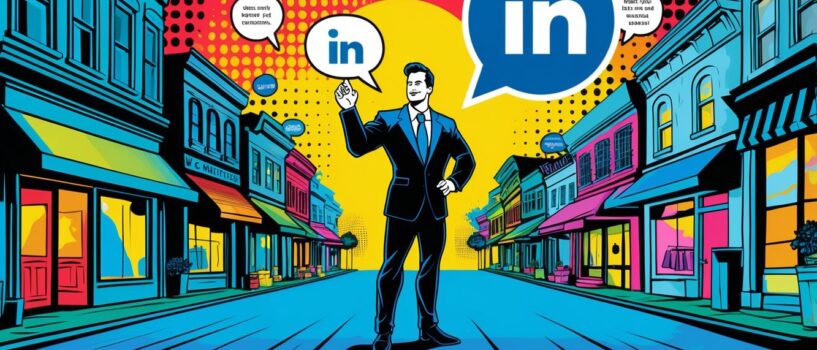
Many local business owners assume LinkedIn is only for B2B companies or corporate professionals, but this misconception means missing out on significant opportunities. LinkedIn offers local and B2C businesses a powerful platform to build credibility, connect with customers, and grow their brand in ways that other social networks simply cannot match. The platform’s professional environment creates unique advantages for establishing trust and authority in any market.
While Facebook and Instagram dominate conversations about social media marketing for consumer-facing businesses, LinkedIn provides access to a different audience with distinct benefits. Local business owners can reach community leaders, potential employees, referral partners, and customers who are actively seeking credible businesses to work with. The platform’s focus on professional relationships translates directly into business opportunities.
Understanding how to leverage LinkedIn effectively requires shifting perspective on what the platform can do for local businesses. From establishing an online presence that builds immediate trust to creating content that positions a business as a local expert, LinkedIn offers tools that work for any type of business. The key is knowing how to use them strategically.
Why LinkedIn Matters for Local and B2C Business Owners
LinkedIn offers local business owners direct access to decision-makers, referral partners, and community influencers who can drive growth. B2C businesses benefit from the platform’s professional context, which builds trust and positions brands as industry authorities.
LinkedIn’s Unique Benefits for Local Businesses
LinkedIn allows local business owners to connect with other professionals in their geographic area through location-based search filters and local business groups. These connections often lead to partnerships, vendor relationships, and referral networks that drive revenue.
The platform functions as a digital chamber of commerce where business owners can establish credibility through recommendations and endorsements from clients and partners. Local service providers gain visibility when their satisfied customers share positive experiences or tag them in posts.
LinkedIn for business provides tools to showcase expertise through regular content sharing, which keeps a business top-of-mind among local professionals. A plumber who shares maintenance tips or a restaurant owner who posts about sustainable sourcing can position themselves as knowledgeable experts in their field.
The platform’s algorithm prioritizes content from people users already know, making it easier for local businesses to reach their existing network and expand through second-degree connections.
LinkedIn’s Relevance for B2C Businesses
B2C businesses can use LinkedIn to reach consumers in a professional setting where trust levels are higher than on other social platforms. A fitness studio owner connects with potential clients who work at nearby companies, while a retail store owner builds relationships with corporate HR departments for employee discount programs.
The platform helps B2C brands grow your business by attracting media attention, speaking opportunities, and collaboration requests. Journalists and event organizers actively use LinkedIn to find experts and business owners for interviews and panels.
B2C business owners can participate in industry discussions and groups to stay informed about consumer trends and competitor activities. This intelligence helps them adapt their offerings and marketing strategies.
Misconceptions About LinkedIn Usage
Many business owners believe LinkedIn only works for B2B companies or that their customers don’t use the platform. Data shows over 900 million professionals use LinkedIn, representing a substantial portion of the consumer market across all demographics.
Some assume LinkedIn requires daily posting or complex content strategies. Consistent engagement through comments, sharing relevant articles, and occasional original posts delivers results without overwhelming time commitments.
The perception that LinkedIn is too formal or corporate prevents many local business owners from joining. The platform has evolved to welcome authentic, conversational content that reflects individual personalities and business cultures.
Establishing a Credible Online Presence
A professional LinkedIn presence requires attention to profile optimization, page creation, and search visibility strategies. These elements work together to help local business owners build trust and attract customers in their community.
Optimizing Your LinkedIn Profile for Local Impact
Business owners need a complete LinkedIn profile that clearly communicates their local expertise. The profile should include the business name, physical location, and service area in the headline and about section.
A professional headshot and background image establish visual credibility. The about section should mention specific neighborhoods, cities, or regions served.
Local business owners should list relevant certifications, awards, and community involvement. Adding location-specific keywords helps potential customers find the profile through searches.
The experience section needs detailed descriptions of the business’s services and specialties. Including customer success stories or case examples from the local area builds authenticity. Contact information must be current and complete, with links to the business website and other social profiles.
Creating a Compelling LinkedIn Page
A LinkedIn page serves as the official hub for a business on the platform. Business owners should complete all available fields, including the company description, specialties, and business hours.
The page banner and logo need consistent branding with other marketing materials. Regular posts about products, services, events, and community involvement keep the page active.
Key features to enable:
- Locations tab for physical addresses
- Services tab for offerings
- Life tab for company culture
- Products tab for showcase items
Employee advocacy strengthens page credibility when staff members connect their profiles to the business page. Encouraging reviews and recommendations from satisfied customers provides social proof.
SEO Strategies to Boost Discoverability
LinkedIn profiles and pages function as searchable web properties that appear in Google results. Business owners should incorporate location-based keywords throughout their profile naturally.
The headline offers prime real estate for search terms. Including the city name and primary service category improves visibility. Custom LinkedIn URLs that contain the business name and location enhance SEO value.
Content consistency matters for search algorithms. Publishing articles and posts with local keywords signals relevance to both LinkedIn and external search engines. Engaging with other local businesses and community organizations through comments and shares increases network visibility.
Hashtags for local areas and industries help categorize content for discovery. Business owners should claim their LinkedIn page URL and ensure NAP (Name, Address, Phone) consistency across all online platforms.
Building Connections and Relationships
LinkedIn enables local business owners to expand their professional network within their community and industry while fostering relationships that extend far beyond traditional job searching. Employee participation amplifies this reach significantly.
Growing a Local and Targeted Network
Local business owners can filter LinkedIn connections by geographic location, industry, and specific interests to build a relevant network. The platform’s search features allow users to identify potential customers, partners, and influencers within their immediate area.
Business owners should connect with local chamber of commerce members, community leaders, and complementary businesses. These connections often lead to referrals and collaborative opportunities.
LinkedIn’s algorithm prioritizes local content when users engage with their geographic community. Posts from local businesses appear more frequently in the feeds of nearby professionals. This visibility helps B2C businesses reach consumers who may not actively search for business content but encounter it through their professional network.
Building Genuine Relationships Beyond Job Hunting
LinkedIn serves as a platform for ongoing dialogue rather than just recruitment. Business owners can engage with connections through thoughtful comments, sharing valuable insights, and participating in industry discussions.
Regular interaction builds trust and positions the business owner as an active community member. Responding to comments on posts, congratulating connections on achievements, and offering helpful advice creates authentic relationships.
These interactions often translate to real-world business opportunities. A local restaurant owner who shares kitchen management tips might attract catering clients. A retailer who discusses customer service trends can build credibility with local shoppers who follow their content.
Leveraging Employee Advocacy for Reach
Employee advocacy transforms staff members into brand ambassadors on LinkedIn. When employees share company content or discuss their work experiences, their personal networks see these posts.
A business with 10 employees who each have 200 connections reaches 2,000 potential customers through employee networks alone. This linkedin marketing approach costs nothing but generates authentic visibility.
Business owners should encourage employees to maintain active LinkedIn profiles and share company updates naturally. Providing employees with interesting content to share makes participation easier. Employee posts typically receive higher engagement rates than official company pages because personal profiles feel more authentic and trustworthy to viewers.
Driving Business Growth Through Content and Engagement
Local business owners can expand their reach and generate tangible results by publishing valuable content and actively participating in LinkedIn conversations. Strategic content creation establishes credibility while engagement activities convert connections into customers.
Sharing Expertise and Building Thought Leadership
Business owners position themselves as industry authorities by sharing knowledge on LinkedIn. A landscaping company owner might post about seasonal lawn care techniques, while a bakery owner could share insights on ingredient sourcing or baking methods.
Thought leadership content demonstrates expertise without directly selling products or services. This approach builds trust with potential customers who value working with knowledgeable professionals. Regular posts about industry trends, problem-solving methods, or behind-the-scenes processes showcase real-world experience.
Local business owners should focus on topics relevant to their community. A hardware store owner discussing local building codes or weather-related home maintenance creates immediate value for area residents. This targeted expertise strengthens their LinkedIn presence within their geographic market.
Content Strategies for B2C and Local Audiences
B2C businesses succeed on LinkedIn by highlighting customer stories and community involvement. Photos of completed projects, customer testimonials, or local event participation resonate with area residents who may become customers.
Content should balance educational and promotional material. A fitness studio owner might share three workout tips for every one class promotion. This ratio maintains audience interest while driving business objectives.
Local business owners benefit from posting about:
- Community partnerships and sponsorships
- Customer success stories with specific results
- Staff spotlights that humanize the business
- Local market insights relevant to the area
- Time-sensitive offers for LinkedIn connections
Posting frequency matters less than consistency. Business owners who publish quality content twice weekly outperform those posting daily without strategic planning.
Utilizing LinkedIn Features: Articles, Events, and Video
LinkedIn Articles allow business owners to publish long-form content directly on the platform. A restaurant owner could write about sourcing from local farms, while a contractor might detail renovation planning processes. Articles remain on profiles permanently, serving as evergreen content that attracts new connections.
The Events feature helps promote in-store activities, workshops, or community gatherings. Local businesses can create event pages, invite connections, and share updates. This feature particularly benefits businesses hosting classes, open houses, or seasonal promotions.
Video content generates higher engagement than text-only posts. Business owners can record:
- Quick tips related to their industry (60-90 seconds)
- Behind-the-scenes footage of daily operations
- Product demonstrations or service explanations
- Customer testimonials and interviews
Native video uploaded directly to LinkedIn performs better than external links. Business owners need only a smartphone to create effective video content that enhances their LinkedIn marketing efforts.
Generating Leads and Marketing Opportunities
LinkedIn offers business owners direct access to decision-makers and potential customers through both organic engagement and targeted advertising. The platform’s professional context creates natural opportunities for lead generation that convert at higher rates than traditional social media channels.
Organic and Paid Lead Generation Tactics
Business owners can generate leads organically by sharing valuable content that addresses customer pain points. Posts that offer practical solutions, industry insights, or behind-the-scenes expertise position the owner as a trusted resource.
Effective organic tactics include:
- Publishing weekly posts with actionable advice
- Commenting on relevant industry discussions
- Sharing client success stories with specific results
- Using document posts to share detailed guides
- Engaging with connection requests personally
Direct messaging on LinkedIn maintains professional boundaries while allowing owners to start conversations with prospects. The platform’s search filters help identify potential customers by location, industry, or job title.
Paid strategies through LinkedIn ads complement organic efforts by reaching specific audiences at scale. Sponsored content appears in feeds alongside organic posts, while Message Ads deliver personalized outreach directly to inboxes.
Maximizing Results with LinkedIn Ads
LinkedIn for business advertising provides targeting options unavailable on other platforms. Owners can reach audiences based on company size, job function, seniority level, or specific skills.
Three high-performing ad formats include:
- Sponsored Content – Native posts that blend with organic content
- Message Ads – Direct inbox outreach with clear calls-to-action
- Lead Gen Forms – Pre-filled forms that capture contact information without leaving LinkedIn
Business owners should start with a daily budget of $25-50 to test different audiences and messages. The platform requires a minimum $10 daily spend per campaign.
Ad creatives should feature clear value propositions and specific benefits rather than generic claims. A/B testing headlines, images, and targeting parameters identifies what resonates with the intended audience.
Measuring and Refining Your LinkedIn Strategy
LinkedIn’s analytics dashboard tracks post impressions, engagement rates, and follower demographics. Business owners should review these metrics weekly to identify which content types generate the most interaction.
Key performance indicators for lead generation include click-through rates, form completion rates, and cost per lead. Successful campaigns typically achieve click-through rates between 0.4% and 0.8%.
Owners can grow your business by comparing organic versus paid performance to allocate resources effectively. Content that performs well organically often succeeds when promoted through paid campaigns.
Tracking which posts drive profile visits and connection requests reveals what topics attract potential customers. This data informs future content planning and helps refine messaging to address audience needs more precisely.