A stack of PDFs sitting in a client’s inbox rarely wins the job. The agencies closing Main Street clients fastest are the ones ditching static files for an interactive agency proposal template that clients can click through, explore, and say yes to in one sitting.
If your proposals still look like a Word document with a logo slapped on top, you are leaving deals on the table.

This guide breaks down what belongs in a client-ready pitch and how to build one that feels custom every time. You’ll also see how to move from discovery notes to a signed contract without juggling five different tools.
The goal is simple: fewer stalled deals, faster client engagement, and proposals that actually look like the quality of work you deliver.
Why Local Business Pitches Need More Than a PDF
A PDF business proposal tells a client what you plan to do. It does not show them, let them click around, or make them feel like the pitch was built just for them.
That gap matters most with local clients who are comparing you against other marketing and creative agencies, often without a big budget for a formal RFP process.

The Limits of Static Proposal Documents
A flat PDF cannot show a video, adjust pricing based on package, or track whether the client even opened it. Any change means a new version, a new email, and confusion over which file is current.
What Makes a Proposal Feel Relevant to Main Street Buyers
Local business owners want to see themselves in the pitch, not a generic template with their name swapped in. Mentioning their neighborhood, competitors, or specific pain points builds trust fast.
A proposal that feels tailored signals you actually did the homework.
When a Shareable Page Beats a Traditional Deck
A shareable link works better than an attachment for busy owners checking email on their phone. It loads fast, looks clean on mobile, and can be forwarded to a business partner without file size issues.
Good proposal software also shows you when the page was viewed, which helps with timing your follow-up call.
The Core Story Every Client-Ready Pitch Should Tell
Every winning proposal follows a similar arc: the client’s problem, your solution, the specifics, and the proof. Skipping any one of these makes the rest of the pitch harder to trust.

Start With the Client Challenge and Executive Summary
Open by naming the client’s actual problem, not your agency’s history. A short executive summary should restate their goal in your own words, then preview how you plan to solve it.
This shows you listened before you started writing.
Connect the Recommended Approach to a Clear Value Proposition
Every recommendation should tie back to a value proposition the client cares about, like more foot traffic or more booked calls. Avoid listing tactics without explaining why they matter to this specific business.
A clear thread from problem to solution keeps the reader engaged.
Define Scope, Deliverables, and Decision Criteria
Spell out the scope of work and deliverables in plain language so there is no confusion later. List what is included, what is not, and how success will be measured.
This section prevents scope creep and awkward conversations down the road.
Use Case Studies and Quotes to Build Confidence
Short case studies with real numbers do more convincing than a page of adjectives. A quote from a past client, even a single sentence, adds credibility a marketing strategy overview cannot.
Keep these tight and relevant to the client’s industry when possible.
Build a Visual Proposal That Clients Can Explore
Design choices in a proposal are not just decoration. They guide the reader’s eye, make pricing easier to compare, and help a client picture your marketing services in action before they sign anything.
Create a Cover Page That Signals Relevance
A strong cover page uses the client’s name, logo, and a headline specific to their goal, not a generic agency tagline. It sets the tone in the first three seconds.
Skip the stock photo of a handshake if you can.
Use Design, Typography, and Visual Evidence With Purpose
Consistent typography and spacing make a proposal easier to skim, which matters because most clients scan before they read closely. Charts and before-and-after visuals communicate results faster than paragraphs.
Keep design choices simple so they support the content instead of competing with it.
Make Packages and Dynamic Pricing Easy to Compare
Side-by-side pricing tables help clients compare packages without doing math in their head. Dynamic pricing, where a client can toggle add-ons and watch the total update, speeds up budget conversations.
This also cuts down on back-and-forth emails about “what if we add X.”
Add Media That Makes Services Easier to Visualize
Short explainer videos or embedded work samples help non-technical clients understand what they are buying. Video production and content creation examples work especially well for social media or branding pitches.
A drag-and-drop editor makes it simple to swap in new samples for each client without starting over.
Create, Review, and Send the Proposal in One Workflow
Speed matters as much as polish. The best agencies build a repeatable proposal workflow so a new pitch takes minutes, not a full afternoon.
Turn Discovery Notes Into a First Draft Quickly
Instead of starting from a blank page, plug your call notes into a proposal creation tool that builds a structured first draft. This cuts the time between the discovery call and the sent proposal, which matters when a client is comparing quotes.
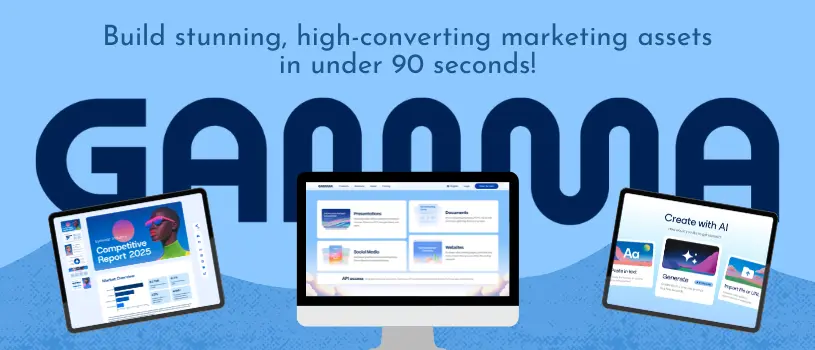
Tools like Gamma can turn rough notes into a formatted, on-brand draft in minutes.
Use Real-Time Collaboration Without Losing Version Control
Real-time collaboration lets your team edit pricing or scope together without emailing a Google Docs link back and forth. Everyone works from one live version, so nobody accidentally sends an outdated draft.
This matters most when a proposal needs sign-off from multiple team members before it goes out.
Set Clear Terms Before the Client Approves
Terms and conditions should be visible, not buried in an appendix nobody reads. Cover payment schedule, revision limits, and contract length clearly.
This avoids disputes after the client has already said yes.
Make Signing and Follow-Up Frictionless
Built-in e-signatures let a client approve the proposal on the same page they reviewed it, no printing or scanning required. An esignature workflow shortens the gap between “this looks good” and a signed contract.
Pair this with view notifications so you know exactly when to follow up.
Tailor the Template to the Service You Are Selling
The proposal skeleton stays the same, but the details shift depending on what you are pitching. A web design proposal template needs different sections than a staffing agency proposal template, even if both follow the same basic flow.
Digital Marketing and SEO Engagements
A digital marketing proposal template or seo proposal template should lead with current performance data and a clear target. Show keyword opportunities or traffic gaps specific to the client’s market.
Avoid generic marketing agency proposal language that could apply to any business.
Social, Content, Email, and Paid Media Campaigns
A social media management proposal template or content marketing proposal template works best with sample posts or content calendars built in. For an email marketing proposal template or ppc proposal template, show projected results based on realistic benchmarks, not inflated promises.
Local clients respond well to seeing platform-specific examples.
Web, Branding, and Graphic Design Projects
A web design proposal template, branding proposal template, or graphic design proposal template should include visual mockups, not just a list of deliverables. Clients buying design work want to see style direction early.
This helps them picture the finished product before work begins.
Video, Photography, Consulting, and Specialist Work
A video production proposal template or photography proposal template benefits from embedded sample reels or galleries. For a marketing consulting proposal template, consulting proposal template, software development proposal, or sponsorships pitch, focus on process and milestones since the “product” is less visual.
Clear timelines matter more here than design flair.
Frequently Asked Questions
What should be included in an interactive agency proposal?
A strong interactive agency proposal includes an executive summary, scope of work, pricing, case studies, and a clear next step. It should also include interactive elements like dynamic pricing, embedded media, and e-signature capability.
These pieces work together to answer client questions before they even ask.
Where can I find a free interactive agency proposal template?
Several proposal platforms and design tools offer free starting templates you can customize with your branding. Look for one built for agencies specifically, since it will already include sections like deliverables and case studies.
AI-assisted tools can also generate a draft template based on your service type in minutes.
How do I customize an agency proposal template for a client?
Start by replacing generic language with details specific to the client’s business, industry, and goals. Swap in relevant case studies, adjust pricing to match the scope discussed on your call, and update the cover page with their branding.
Small, specific details make the biggest difference in how personal the proposal feels.
Is it better to create an agency proposal in Word or PDF?
Word and PDF files are easy to create but limit what a client can do once they receive it. An interactive, web-based proposal allows for clickable pricing, embedded video, and e-signatures, which a static document cannot offer.
For most agencies, an interactive format leads to faster client decisions.
What is the difference between a digital marketing proposal and an interactive agency proposal?
A digital marketing proposal is focused on one type of service, like SEO or paid ads. An interactive agency proposal is the format and delivery method, and it can be used for any service type, including marketing, design, or consulting.
Think of “interactive” as the how and “digital marketing proposal” as the what.
How can I make an agency proposal more engaging and professional?
Start with a clean cover page and use consistent typography throughout your proposal. Show off real client results instead of using generic stock text.
Add short videos or work samples so the client can actually see what you can do, not just read about it. Make sure your proposal is tailored specifically to their business—personal touches always win over a cookie-cutter approach!