Local link building remains one of the most effective ways for businesses to improve their search visibility and attract nearby customers. By focusing on strategic local link opportunities, business owners can boost their website’s authority while connecting with their community in meaningful ways. These tactics work because search engines value links from relevant, geographically-related sources.
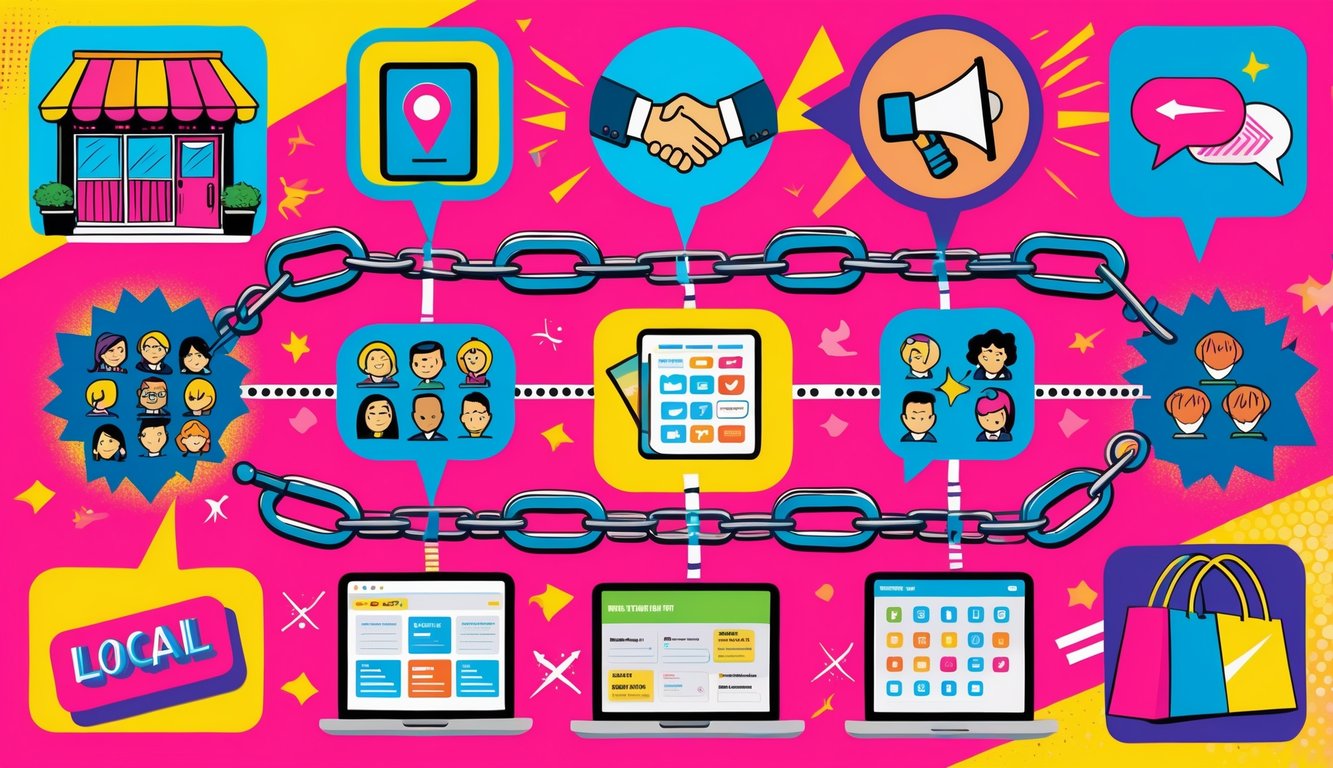
Most business owners overlook simple link building opportunities that exist right in their local area. From business directories to community partnerships, these methods don’t require large budgets or technical expertise. They do require consistency and a willingness to engage with the local business ecosystem.
This guide covers ten practical local link building strategies that any business can implement. The approaches range from basic directory listings to more advanced tactics like leveraging local media coverage and analyzing unlinked brand mentions. Each method offers distinct benefits for strengthening local search presence and building community connections.
Understanding Local Link Building
Local link building strengthens a business’s online presence by securing backlinks from geographically relevant sources that signal credibility to search engines. These connections directly impact local search rankings and drive targeted organic traffic from nearby customers.
What Is Local Link Building?
Local link building is the practice of acquiring backlinks from websites, organizations, and directories within a specific geographic area. These links come from sources like local news outlets, chamber of commerce websites, regional business associations, and other community-focused platforms.
The geographic relevance of these backlinks matters because they establish a business’s connection to a specific location. When a local restaurant gets featured on a city tourism website or a regional contractor receives a link from a municipal business directory, these signals help Google understand where the business operates and serves customers.
Local links differ from general backlinks because they carry location-specific authority. A link from a national website might boost overall domain authority, but a link from a respected local source provides targeted relevance for local search queries.
How Local Links Influence Search Rankings
Google uses local links as ranking signals to determine which businesses appear in local search results and the local pack. Search engines evaluate the quality and relevance of a business’s backlink profile to assess its prominence within a community.
Local links pass authority from established community websites to a business’s domain. When multiple credible local sources link to a business, it demonstrates legitimacy and trust within that geographic area. This concentrated local authority improves visibility for location-based searches like “dentist near me” or “plumbers in [city name].”
Key ranking factors influenced by local links:
- Local search visibility – Higher rankings in map pack results
- Organic traffic – Increased clicks from geographically targeted searches
- Trust signals – Validation from recognized community sources
- Domain authority – Cumulative SEO strength from quality backlinks
Backlink Types for Local SEO
Different types of local links serve distinct purposes in a comprehensive local SEO strategy. Business owners should pursue a diverse backlink profile that includes multiple link categories.
| Link Type | Example Sources | Primary Benefit |
|---|---|---|
| Citation Links | Yelp, Yellow Pages, local directories | NAP consistency and baseline visibility |
| Editorial Links | Local news sites, community blogs | High authority and referral traffic |
| Association Links | Chamber of commerce, trade groups | Industry credibility and trust |
| Sponsorship Links | Local events, charities, sports teams | Community engagement signals |
| Partner Links | Complementary local businesses | Relevant co-marketing opportunities |
Editorial links from local media outlets carry the most weight because they represent earned coverage rather than paid placements. These backlinks signal genuine community interest and newsworthiness to search engines.
Getting Listed On Local Business Directories
Local business directories serve as foundational elements for establishing online presence and building quality backlinks. These platforms provide immediate visibility to potential customers while strengthening local search rankings through verified citations.
Major Directories: Google Business Profile, Yelp, Bing Places
Google Business Profile stands as the most critical directory for any local business. A verified listing appears in Google Maps, local search results, and the knowledge panel. Business owners should claim their profile, verify ownership, and maintain accurate information including hours, services, and contact details.
Bing Places offers similar benefits for Microsoft’s search ecosystem. The platform connects to Bing, Yahoo, and other partner sites. Many business owners overlook this directory despite Bing’s 12% search market share.
Yelp dominates consumer reviews and local recommendations, particularly for restaurants, services, and retail. The platform generates significant referral traffic and carries substantial domain authority. Businesses should claim their listing, respond to reviews, and add photos to maximize effectiveness.
Additional major platforms include TripAdvisor for hospitality businesses and Foursquare for location-based services. Each listing creates a valuable backlink and citation opportunity.
Niche and Industry-Specific Directories
Industry-specific directories often provide higher-quality backlinks than general platforms. A law firm gains more value from Avvo or FindLaw than generic directories. Healthcare providers benefit from Healthgrades and Zocdoc listings.
Trade associations and chambers of commerce maintain directories exclusive to members. These restricted-access platforms carry additional credibility with search engines. Professional organizations often provide featured listings with enhanced backlink profiles.
Local news sites, community portals, and regional business journals frequently maintain business directories. These geo-specific platforms deliver targeted traffic and strengthen local relevance signals.
Ensuring NAP Consistency and Local Citations
NAP consistency (Name, Address, Phone) across all directories directly impacts local search rankings. Search engines compare citations across platforms to verify business legitimacy. Inconsistencies confuse algorithms and diminish ranking potential.
Business owners should standardize formatting before submitting to directories. “Street” versus “St.” or Suite variations create conflicting signals. Phone numbers must match exactly, including area codes and formatting.
Local citations accumulate as directories reference business information. Each consistent citation reinforces location signals. Tools like Moz Local or BrightLocal help identify inconsistencies across directories. Regular audits prevent outdated information from damaging search visibility.
Building Relationships Through Local Partnerships
Strategic partnerships with other local organizations create natural link building opportunities while strengthening community business networks. These relationships generate high-quality backlinks from geographically relevant sources that search engines value for local rankings.
Collaborating With Local Businesses
Local partners in complementary industries provide mutual link building benefits without direct competition. A wedding photographer can partner with florists, venues, and caterers to create cross-promotional content that includes backlinks from each business’s website.
Business owners should identify 5-10 non-competing local businesses that serve similar customer bases. Joint blog posts, resource guides, or event collaborations create legitimate reasons for reciprocal links.
The key is offering genuine value rather than simply requesting links. A plumber might create a home maintenance guide with an electrician and HVAC specialist, where each business links to the comprehensive resource from their respective websites.
Effective collaboration formats include:
- Co-authored blog posts or guides
- Joint webinars or workshops
- Shared case studies
- Cross-promotional landing pages
Local Chamber and Business Associations
Local business associations typically maintain member directories with website links on high-authority domains. Chamber of commerce memberships often include a profile page with backlinks, business description, and contact information.
These organizations usually have established domain authority from years of operation and connections throughout the community. A single membership can generate links from directory listings, event participation pages, and member spotlight features.
Many chambers publish member news, award announcements, and business milestones. Business owners should actively submit newsworthy updates to secure additional mentions and links beyond the basic directory listing.
Link Exchanges and B2B Opportunities
Strategic link exchanges between local partners work when implemented thoughtfully and selectively. The focus should remain on businesses that genuinely complement each other rather than random link swaps that appear manipulative to search engines.
B2B service providers can exchange links within relevant content contexts. An accounting firm might link to a trusted business attorney in a tax planning article, while the attorney links back in estate planning content.
Best practices for local link exchanges:
- Limit exchanges to 2-3 highly relevant partners
- Place links within valuable content, not footer link farms
- Ensure natural anchor text variation
- Avoid reciprocal link patterns across multiple pages
Local partnerships should prioritize relationship quality over link quantity. A few strong connections with established local businesses deliver better SEO results than dozens of low-quality exchanges.
Leveraging Local Media, News, and Press
Local media outlets actively seek community stories and business news, making them valuable sources for high-quality backlinks. Press releases distributed through proper channels can generate links from multiple local news sites simultaneously, while personal relationships with reporters create ongoing opportunities for coverage.
Earning Links From Local News Outlets
Local news websites maintain high domain authority and provide contextual backlinks that search engines value. Business owners should identify newsworthy angles about their company, such as milestone anniversaries, community involvement, unique services, or local economic impact.
Pitching stories that benefit the community increases acceptance rates. Local reporters prioritize content that resonates with their readership, including job creation announcements, charitable initiatives, or expert commentary on local issues.
Monitor local news sites for relevant story opportunities where business expertise adds value. Journalists often need sources for industry-specific articles, seasonal trends, or reaction quotes. Responding quickly to media requests through platforms like HARO (Help a Reporter Out) or directly contacting newsrooms establishes credibility.
Featured placement in local business spotlights, “small business of the month” segments, or industry roundups provides natural backlinks. These opportunities often require minimal effort beyond completing an interview or questionnaire.
Using Press Releases for Backlinks
Digital PR through press release distribution services reaches multiple local media outlets simultaneously. Services like PRWeb, PRNewswire, or industry-specific platforms syndicate content to local news sites that republish announcements.
Press releases must contain genuine news value to earn publication and backlinks. Announcing new locations, significant hires, awards, research findings, or community partnerships justifies distribution. Promotional content without news merit typically gets rejected.
Include location-specific keywords and geographic tags to target local media effectively. Many distribution services allow geographic filtering, ensuring press releases reach relevant local news outlets rather than national publications.
Local PR works best when combined with direct outreach to specific outlets. Sending tailored versions of press releases directly to local editors increases pickup rates beyond automated syndication.
Building Connections With Local Reporters
Personal relationships with local reporters create recurring link opportunities beyond single press releases. Journalists develop trusted source lists for quick quotes and expert perspectives on breaking stories.
Introduce yourself to reporters covering your industry beat through professional emails or social media. Offer expertise without immediate expectations, positioning yourself as a reliable resource for future stories.
Engage with local media content by sharing articles, providing thoughtful comments, and attending community journalism events. These interactions build familiarity and keep your business visible to reporters seeking sources.
Maintain a media kit with high-resolution photos, company background, and spokesperson bios for quick reporter access. When journalists contact you, respond promptly and provide quotable, concise information that fits their deadlines and story angles.
Community Engagement and Local Events
Local event sponsorships and community participation create natural link-building opportunities while establishing a business’s presence in the area. These activities generate mentions on event websites, community calendars, and local organization pages that link back to a business’s site.
Sponsoring Community and Charity Events
Sponsoring local events provides businesses with links from event websites, promotional materials, and community partner pages. Event organizers typically list sponsors on their websites with clickable links to sponsor business sites.
Common sponsorship opportunities include charity runs, school fundraisers, youth sports leagues, and annual festivals. These sponsorships range from $100 to several thousand dollars depending on the event size and sponsorship tier.
Businesses should request specific link placement terms in sponsorship agreements. This includes links on the event homepage, sponsor pages, and press releases distributed to local media outlets.
Key link sources from event sponsorships:
- Event official websites
- Local chamber of commerce event listings
- Community calendar sites
- Press coverage of sponsored events
- Social media event pages
Participating in Neighborhood Activities
Active participation in neighborhood activities generates links from community websites and local directories. Businesses that volunteer at community clean-ups, participate in street fairs, or host local meetups earn mentions on neighborhood websites.
Platforms like Nextdoor allow businesses to connect with local residents and share involvement in community activities. Business owners can post about their participation and link to their websites when contributing valuable information to neighborhood discussions.
Participation in farmers markets, block parties, and seasonal celebrations often results in listings on municipal event calendars and neighborhood association websites. These platforms link to participating businesses as a resource for residents.
Getting Involved With Local Groups and Forums
Local groups and forums provide ongoing link opportunities through regular engagement. Business owners can join chambers of commerce, business improvement districts, and professional associations that maintain member directories with website links.
Community groups focused on specific interests—such as sustainability initiatives, historical preservation societies, or economic development committees—maintain websites listing active members and supporters. Joining these groups as a business representative creates natural link placement opportunities.
Local forums beyond Nextdoor include city-specific Reddit communities, Facebook groups for neighborhood businesses, and regional business networks. Contributing expertise and participating in discussions establishes credibility while creating profile links back to business websites.
Business owners should prioritize groups aligned with their industry or values for authentic engagement that resonates with their local audience.
Guest Posting and Content Creation for Local Relevance
Guest posting on local platforms and creating content that resonates with local audiences helps businesses build authoritative backlinks while establishing community presence. Collaborating with local bloggers and influencers amplifies reach within specific geographic markets.
Guest Posts on Local Blogs and Websites
Guest posts on local blogs provide valuable backlinks from geographically relevant sources. Business owners should identify local blogs that cover topics related to their industry, community events, or regional interests.
The process starts with researching local websites that accept guest contributions. Local news sites, chamber of commerce blogs, and neighborhood-focused publications often welcome quality content from area businesses.
When pitching guest post ideas, business owners should propose topics that benefit the host site’s audience while naturally incorporating their expertise. A local restaurant might write about seasonal ingredients sourced from regional farms for a community lifestyle blog.
Each guest post should include a brief author bio with a link back to the business website. The content must provide genuine value rather than serving as thinly veiled advertising. Local blogs typically have engaged readerships, making these backlinks particularly effective for local SEO.
Creating Locally Relevant Content
Locally relevant content addresses specific needs, interests, and characteristics of a geographic community. This content type attracts links from other local websites and organizations naturally.
Business owners can create local content by covering neighborhood events, profiling local customers or partners, and discussing regional trends. A hardware store might publish guides on maintaining homes in their specific climate or building code requirements for their city.
Content should reference local landmarks, use regional terminology, and address location-specific challenges. This specificity makes the content more linkable for other local sites seeking relevant resources to share with their audiences.
Local content also performs well when it includes data or insights unique to the area. Surveys of local residents, interviews with community leaders, or analyses of neighborhood trends provide information that local news sites and bloggers want to reference and link to.
Partnering With Local Bloggers and Influencers
Local bloggers and influencers maintain established audiences within specific geographic areas. Partnerships with these content creators generate backlinks while expanding brand visibility among local consumers.
Business owners should identify local micro-influencers and bloggers whose audiences align with their target customers. A boutique might partner with local fashion bloggers, while a fitness studio could collaborate with area wellness influencers.
Influencer collaborations can take multiple forms beyond simple sponsored posts. Business owners might invite local influencers to events, provide products for honest reviews, or co-create content that benefits both parties. These relationships often result in natural backlinks as influencers mention and link to the business across their platforms.
The key is building genuine relationships rather than transactional exchanges. Local influencers value partnerships with businesses that contribute to their community and provide real value to their followers.
Utilizing Local Citations and Unlinked Mentions
Local citations establish a business’s presence across the web, while unlinked brand mentions represent missed opportunities for valuable backlinks. Converting these mentions into active links strengthens a site’s local search authority.
Managing Online Citations and Listings
Local citations are online references to a business’s name, address, and phone number (NAP) across various directories and platforms. These citations help search engines verify business legitimacy and improve local search rankings even without direct links.
Business owners should start by claiming profiles on major platforms like Google Business Profile, Yelp, Bing Places, and Apple Maps. Consistency across all citations is critical—even minor variations in business name or address formatting can confuse search engines and dilute ranking signals.
Industry-specific directories offer additional citation opportunities. A restaurant should appear on OpenTable and TripAdvisor, while a law firm benefits from Avvo and FindLaw listings. Local chamber of commerce websites and city business directories provide geographically relevant citations.
Regular citation audits identify inconsistencies or duplicate listings that need correction. Tools like Moz Local or BrightLocal automate this process by scanning hundreds of directories simultaneously.
Finding and Converting Unlinked Brand Mentions
Unlinked brand mentions occur when websites reference a business without including a hyperlink. These mentions already demonstrate awareness and trust, making them prime candidates for link acquisition.
Search operators help locate unlinked mentions efficiently. Using Google search with "business name" -site:yourdomain.com reveals where others discuss the brand without linking. Local news sites, event calendars, and community blogs frequently mention businesses in articles without adding links.
Once identified, business owners should contact site administrators with polite requests to convert mentions into links. The outreach message should be brief, specify the exact page containing the mention, and explain how adding a link benefits their readers. Most webmasters comply with these simple requests since the content already references the business.
Tracking Mentions Using Tools and Alerts
Google Alerts provides free monitoring for brand mentions across the web. Business owners should set up alerts for their business name, common misspellings, and key product names to receive notifications when new mentions appear online.
More sophisticated tools like Mention, Brand24, or Ahrefs Content Explorer offer advanced filtering and real-time tracking. These platforms distinguish between linked and unlinked mentions, track sentiment, and provide competitor mention data.
Setting up alerts for local event coverage, press releases, and community news increases the chances of finding convertible mentions quickly. Responding within days of publication improves conversion rates, as content is still fresh and editors are more accessible.
Harnessing Link Building Tools and Analytics
Successful local link building requires tracking competitor strategies, using specialized software platforms, and monitoring performance metrics to refine tactics over time.
Competitor Link Profile Analysis
Business owners can gain valuable insights by examining where competitors earn their backlinks. Tools like Ahrefs Site Explorer and Semrush’s Backlink Checker reveal which local directories, news sites, and community organizations link to competing businesses.
This analysis identifies gaps in a company’s own local link profile. If three competitors have links from the local chamber of commerce but a business doesn’t, that represents a clear opportunity.
Key metrics to examine include:
- Total referring domains
- Domain authority of linking sites
- Types of local sites providing links
- Anchor text distribution
- New vs. lost backlinks over time
Competitor research helps prioritize which local organizations and platforms deserve outreach efforts first.
Essential Tools: Ahrefs, Semrush, Moz
Ahrefs provides comprehensive backlink data through its Site Explorer feature. The platform tracks referring domains, identifies new link opportunities, and monitors link quality metrics.
Semrush offers link building tactics through its Link Building Tool, which suggests potential linking partners based on competitor analysis. The platform also tracks local rankings alongside backlink profiles.
Moz delivers domain authority scores that help evaluate potential link partners. Its Link Explorer identifies which local sites carry the most SEO value.
Google Search Console provides free data on which sites link to a business. While less comprehensive than paid tools, it shows exactly what Google sees and reports technical issues affecting link value.
Most businesses benefit from using one primary paid tool combined with Google Search Console for complete visibility.
Tracking and Measuring Link Building Efforts
Business owners should monitor specific metrics to evaluate link-building strategies. Referring domains represent the number of unique sites linking back, which matters more than total backlink count.
Track new links acquired monthly to measure outreach effectiveness. Document which local organizations, directories, or partnerships generate links and their associated domain authority scores.
Essential tracking elements:
- Date link acquired
- Source website and page
- Type of link (directory, editorial, partnership)
- Follow vs. nofollow status
- Traffic referred from each link
Regular monitoring reveals which local link building tactics produce results. A spreadsheet or CRM system helps organize outreach contacts, response rates, and successful placements for future reference.